



It’s 10 p.m. on a Sunday evening, and a landscaping business owner finally opens three weeks of bank statements she’s been avoiding. The fourth estimated tax payment for 2026 is due on Jan. 15, 2027, yet the thought of simply checking her statements has become overwhelming.
New data from Xero shows this type of situation is far from unique. Business owners spend an average of 8 hours a week feeling stress. And when stress leads to avoidance, there are further penalties: 56% of business owners have been caught off guard by a tax outcome. By recognizing the emotional tax in your business, you can start addressing it.
The emotional tax is the psychological cost of running a business. It’s the time you spend feeling worried or stressed, avoiding financial tasks for fear of what they might reveal about your business. According to Xero’s study, business owners spend 8 hours a week worrying. That’s the equivalent of a whole workday preoccupied with the mental load of running a business.
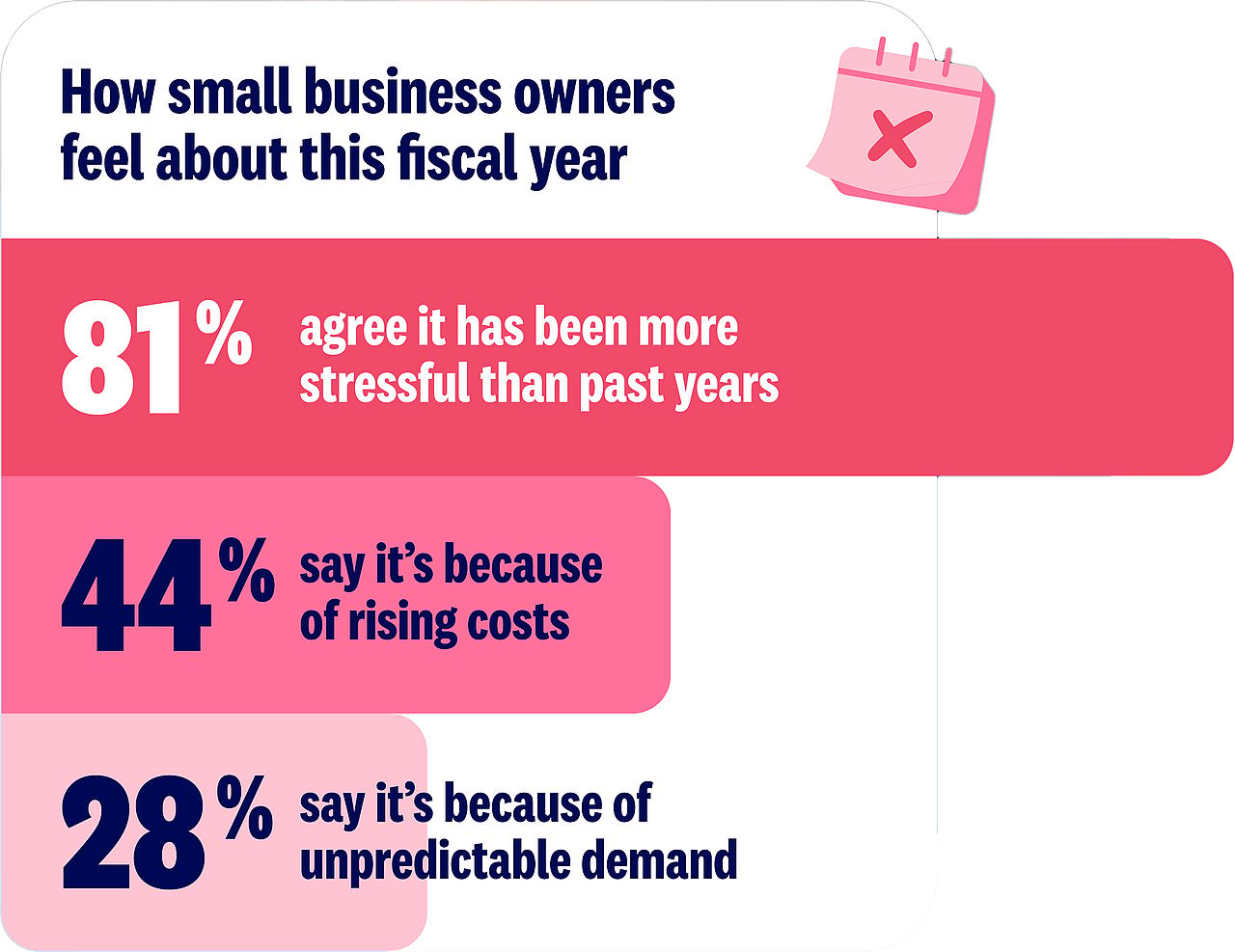
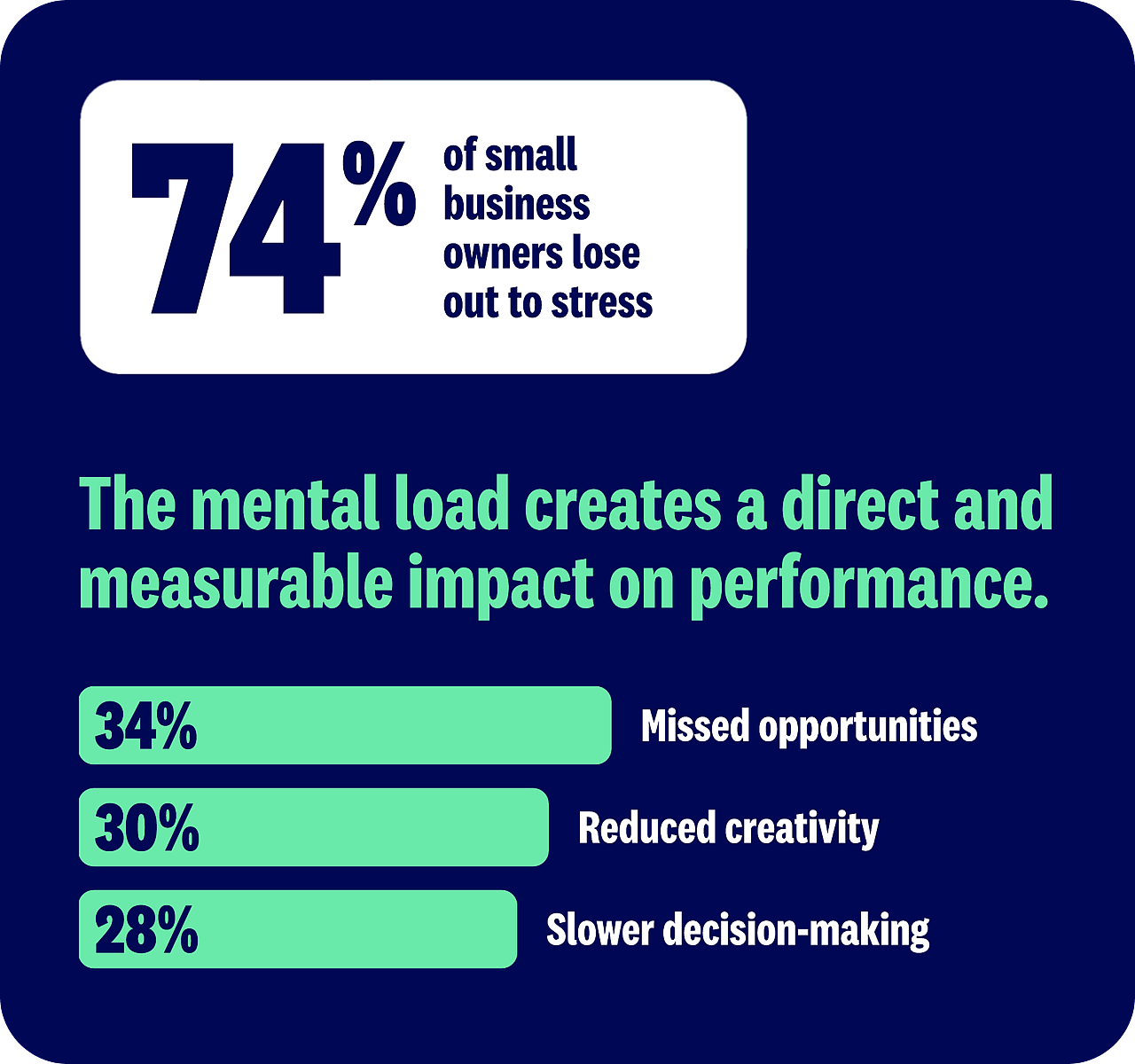
Over time, emotional strain pushes some individuals to their limits. According to the survey, 40% have considered giving up their business, and 81% say this fiscal year has been more stressful than previous years. Alongside the financial costs, stress inhibits performance for many small-business owners, reducing creativity, decision-making capability, and confidence, according to the survey.
A 2009 study of investors found that when markets were flat or falling, investors checked their accounts less often. This is called the ostrich effect, and similarly, business owners may find themselves putting their heads in the sand when things get tough.
According to Xero data, 70% of business owners consider financial management a stressor, and 34% fear making financial mistakes. When the numbers feel like a threat, stepping away brings short-term relief for business owners, but it has long-term consequences. According to financial therapist Dr. Megan McCoy, feelings of threat can be managed through increasing perceived control. This doesn’t mean having everything in order, but feeling you have a level of control over the situation.
Having oversight and clarity on your situation can help here. The worry is often much bigger than the reality, and so tracking your finances regularly will help you feel more in control.
One step you can take immediately is to produce a profit and loss statement. Do this at regular intervals, reviewing the statement once a month to make sure you’re not guessing at the numbers. Checking your finances doesn’t have to be an ordeal, and if you make it a to-do list task, it becomes less of an event and more of a habit.
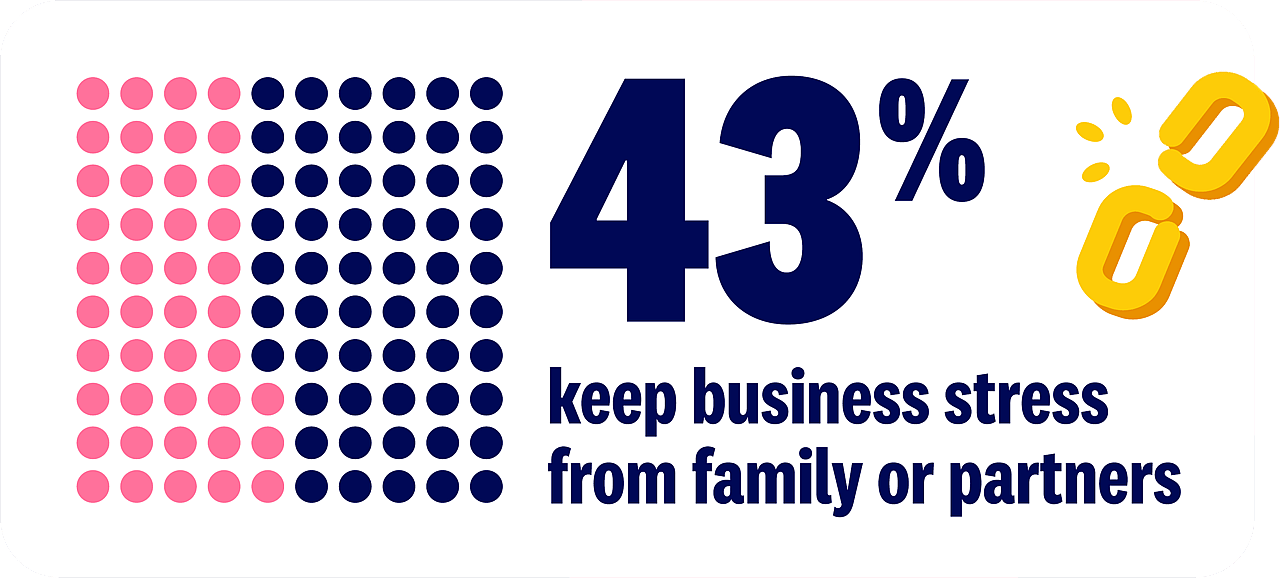
Many business owners carry money stress alone. Xero data shows 43% of those surveyed have hidden business stress from family or a partner, and only 9% seek advice from an accountant or advisor.
Even when business owners hide their stress from others, physical symptoms show up in different ways. According to the Xero report, 61% say they sleep less than before they started their business, and 41% exercise less.
Your family and an accountant can both offer help in different ways. Loved ones can offer emotional support at home, while an accountant can help explain the numbers and make your finances more manageable. Many accountants go beyond compliance work to help with pricing and cash planning, so even if your finances aren’t in the best place, the right advisor will help you get there.
Financial stress is complex, and you might need a variety of tools to manage it. Here are four things to get you started:
Financial stress culminates around the holidays. With the Jan. 15 estimated tax deadline on the horizon, it can be hard to focus on anything else. Early preparation can help you avoid the situation 73% of business owners have faced, where they’ve been caught off guard by a tax outcome.
As a business owner, without paycheck withholding, you’ll pay income tax and self-employment tax through quarterly estimated taxes. The Internal Revenue Service (IRS) splits the year into four payment periods — you need to meet the deadline for each quarter. A refund at filing time doesn't cancel a penalty for paying too little during the year.
Important things to note: A due date that falls on a weekend or holiday moves to the next business day. For tax year 2026, the fourth payment is due Friday, Jan. 15, 2027.
Under the IRS underpayment penalty rules, a business owner can avoid penalties by paying at least 90% of this year's tax or 100% of last year's. If you owe less than $1000 after withholding and credits, you won’t be subject to an underpayment penalty.
If your adjusted gross income tops $150,000, or $75,000 if you’re married and filing separately, you must pay 110% of the previous year’s tax to avoid underpayment penalties. In practice, this means a business owner with a 2025 tax bill of $12,000 and an adjusted gross income under $150,000 can avoid an underpayment penalty with quarterly payments of $3000.
Here’s what you can do before the holidays to make tax filing less stressful:
Here’s a recap of everything you can do to ease the emotional tax and ensure a smooth filing season:
Xero commissioned One Picture to conduct an online survey with 300 independently recruited U.S. small business owners with fewer than 200 employees. Data has been weighted to be as representative of the small business market as possible.
This story was produced by Xero and reviewed and distributed by Stacker.


