



DENHAM SPRINGS, La. — City leaders are moving forward with plans to create a new economic development district that would fund key road and drainage improvements connected to a major hotel and conference center development near Pete’s Highway and Rushing Road.
At its Nov. 10 meeting, the Denham Springs City Council held a public hearing and unanimously advanced an ordinance establishing the Denham Springs Conference Center Economic Development District, a Tax Increment Financing (TIF) district that would help fund infrastructure for a proposed Hilton Garden Inn and attached conference center.
The city’s share of the project, which would be covered by the TIF funding, is expected to range from $8–12 million will cover new roads, drainage, water, and sewer systems for the 60-acre development. The hotel developer is responsible for an estimated $20–30 million in private investment for the hotel and 15,000- to 20,000-square-foot conference center.
Mayor Gerard Landry said the project is designed not just as a hospitality investment but as a long-term infrastructure improvement that will unlock new commercial growth in a largely underdeveloped corridor of Denham Springs.
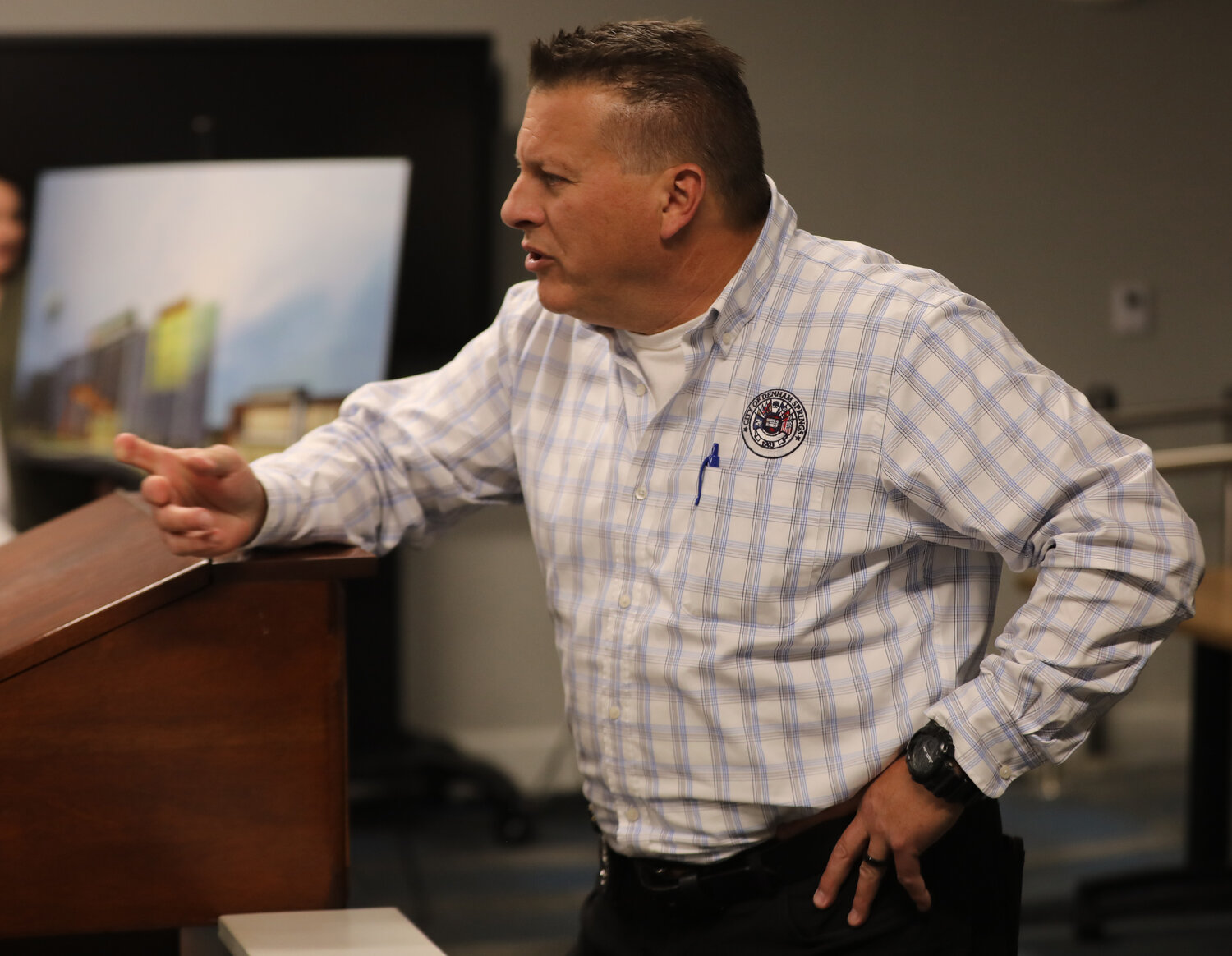
“This is an exciting project that’s been in the works for months,” City Engineer Eddie Aydell said during the meeting. “It’s going to be a catalyst for long-needed traffic and economic improvements in this area.”
A major component of the plan involves construction of DEMCO Drive, a proposed four-lane divided boulevard connecting Pete’s Highway to Range Avenue. The roadway would include a roundabout at Pete’s Highway that ties into the Cook Road Extension, ultimately creating an east-west connector between Range Avenue and Juban Road.
City officials said the project will relieve congestion at the I-12 interchange and provide new access routes to nearby commercial areas, including Juban Crossing. The TIF district’s revenues will also help accelerate construction of a north-south connector from Rushing Road to DEMCO Drive.
Landry said the roadway improvements align with long-standing Department of Transportation and Development (DOTD) plans. “This project fits right in the center of what DOTD already wants to do,” he said. “It’s a fix that’s already in motion for our traffic concerns.”
Denham Springs has a successful track record with TIF-funded developments. The Bass Pro Shops district, established in 2007, paid off its bonds 16 years early and remains one of the city’s most successful retail anchors. Similarly, the Juban Crossing development outside the city limits has followed the same funding model.
Under the new proposal, the TIF district will collect a portion of new taxes generated by the hotel and related businesses — including occupancy, sales, and property taxes — and reinvest those revenues into public infrastructure. The city will be seeking a share of current taxes collected within the district which would normally remit to other entities, similar to the Bass Pro and Juban TIFs, and are eyeing two new taxes that would only be collected within the district.
The estimated annual revenues to be paid into the TIF total just over $1 million, though that figure could rise with additional commercial development. Landry said he anticipates dissolving two of the new taxes once the TIF bonds are paid off.
“Just like Bass Pro and Juban Crossing, this TIF allows us to build roads, water, sewer, and lighting with money generated from new development — not existing taxpayers,” said financial consultant Jim Ryan.
The conference center will be publicly owned but operated under a long-term management agreement, likely with the hotel operator. Plans include a climate-controlled walkway between the hotel and conference center and shared kitchen facilities to reduce operating costs.
Ryan said early estimates indicate the TIF could generate between $8 million and $9 million in bond revenue for construction funds based on market studies and retail lease agreements.
The new district would retain ownership of public assets, including roads, lighting, drainage, and the conference center itself, ensuring that maintenance and oversight remain under city control even after the TIF is retired.
“This is not going to become a burden on the city,” Ryan said. “Once the bonds are paid off, the TIF district has enough authority to maintain the infrastructure without new taxes.”
The council unanimously approved the hearing and introduction of the ordinance creating the district. A second public hearing and final vote are scheduled for Nov. 24 at 6 p.m. in the Denham Springs Municipal Building, where residents will have another opportunity to comment before final approval.
If approved, bonds will go to market based on projected revenues, and infrastructure construction could begin soon after.
In other business, the council also approved property condemnations on two Edgewood Drive addresses and a reimbursement of $3,073 to a resident whose door was accidentally damaged during a welfare check.


