

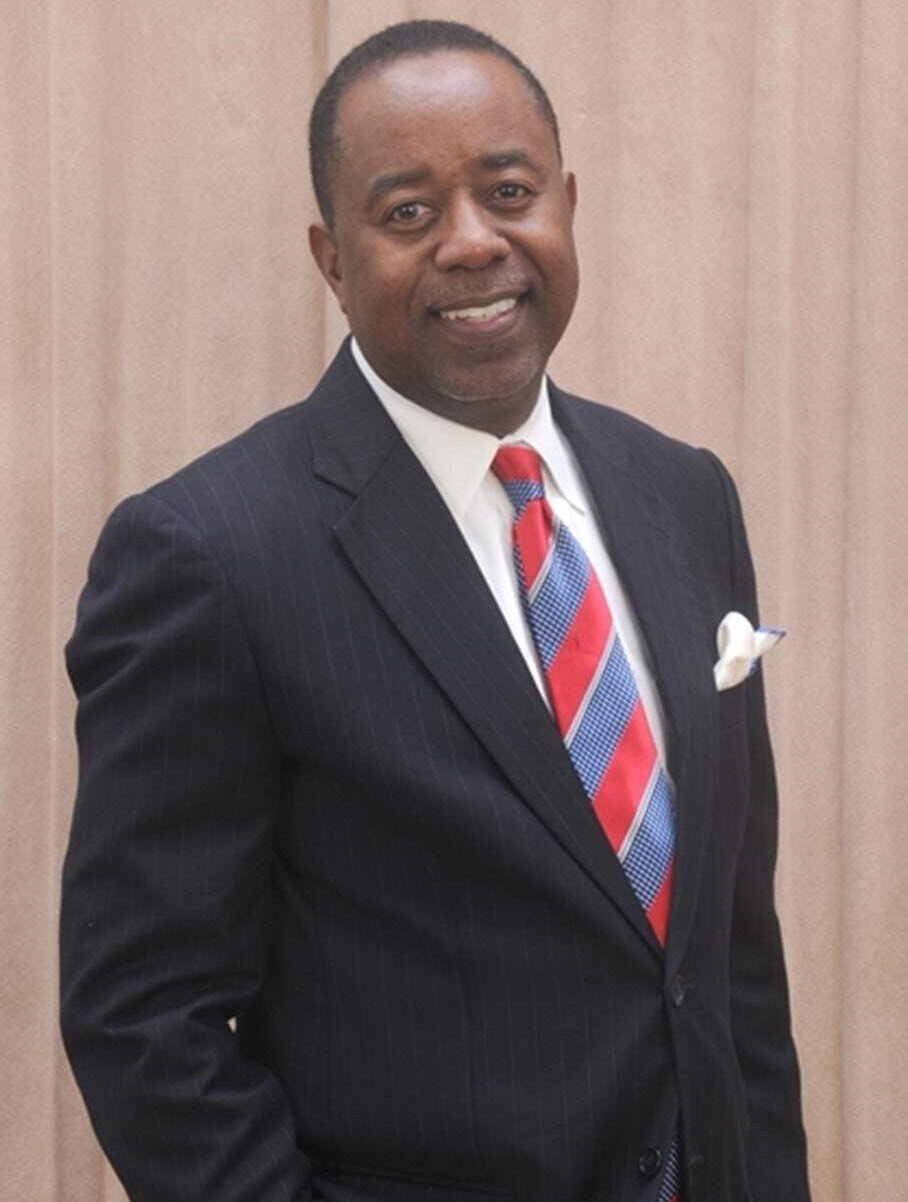
I’ve dedicated my career to helping patients manage chronic and often debilitating pain and over the years, it has been frustrating to see unnecessary barriers for access to treatments that have proven effective. For example, I’ve witnessed how cannabis-based treatments offer relief where other options have failed- especially for patients with complex conditions and veterans suffering from post-traumatic stress disorder (PTSD) or chronic pain.
In 2021, a study conducted by the University of Florida found that patients with chronic pain showed significant improvements just a few weeks after starting treatment. Three months later, patients were reporting lower levels of pain and depression and an increase in sleep. In April 2025, a study published by Frontiers in Oncology demonstrated that medical cannabis is effective in helping cancer patients manage side effects of their treatments, such as nausea.
Despite the success of these treatments, patients still face access issues and scientists face bureaucratic challenges that hinder their research. That’s why I support the move to reschedule cannabis from Schedule I to Schedule III under the Controlled Substances Act.
Cannabis simply does not fit the criteria for a Schedule I substance which states that these substances have no medical use and frankly, it hasn’t fit for quite some time. Across the country, millions of Americans are already using cannabis for medical purposes, supported by growing clinical evidence and guidance from their physicians. But because cannabis remains a Schedule I drug, researchers have faced extraordinary hurdles in studying its effects, benefits, and risks in a rigorous and systematic way.
Rescheduling cannabis to Schedule III would change that. It would open the door to more high-quality, peer-reviewed clinical research—research that can give us the data we need to understand when, how, and for whom cannabis is most effective. This is how medicine should work: guided by evidence, not stigma.
In my practice here in Louisiana, I often work with patients for whom traditional treatments—opioids, anti-inflammatories, physical therapy—have failed or brought unacceptable side effects. Cannabis-based therapies can offer relief without the addictive potential of opioids or the organ damage linked to long-term use. Yet under current federal law, my ability to discuss, recommend, or even fully study these options is restricted.
Veterans, in particular, are among those who stand to benefit the most. Many return home with complex injuries, both visible and invisible. Studies and anecdotal evidence suggest cannabis can help with chronic pain, anxiety, and sleep issues—problems that are all too common among our veterans. Yet doctors cannot even discuss cannabis-based treatments with veterans who receive their health care through the VA. Rescheduling would allow us to finally put veterans’ health and safety first by exploring cannabis-based treatments in a serious, science-based way.
This isn’t a call for reckless legalization or a free-for-all. It’s a call for a rational, medically responsible approach. Rescheduling cannabis to Schedule III will still keep it regulated and controlled—but it will also bring it into the fold of modern medicine, where decisions are made with data, not fear.
As a doctor, I want every tool possible to help my patients live better lives. It’s time we allow cannabis to be one of those tools—studied properly, prescribed appropriately, and made accessible to those who can benefit most.
The Louisiana Press Association was formed in 1880 as a trade association uniting the state's daily and weekly newspapers. As its members have transformed so has the LPA, focused on educating, advocating and innovating in print and digital platforms.


